
Category: Microsoft Fabric
-
Understanding Ontology in Microsoft Fabric: The Semantic Layer for Business and AI
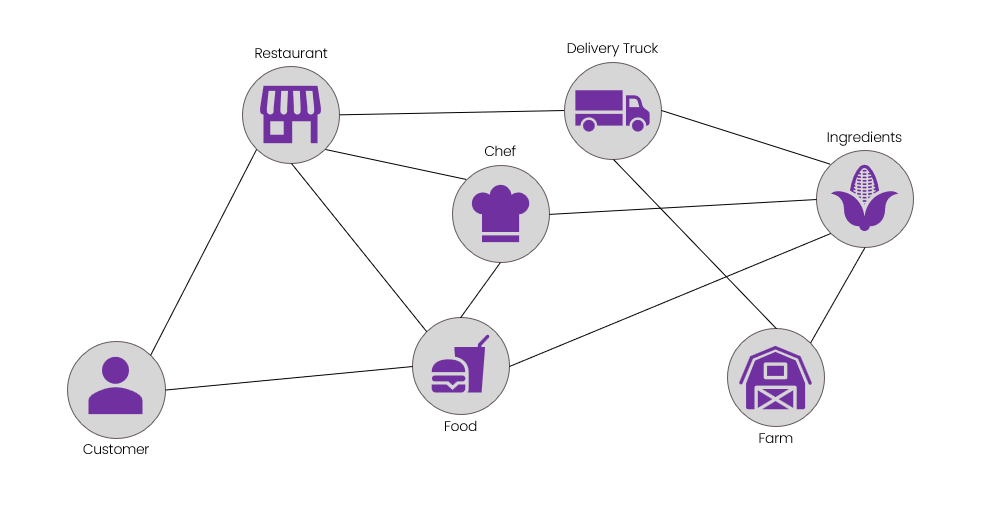
Modern data platforms have become incredibly good at centralizing data. With solutions like Microsoft Fabric, organizations can bring together operational systems, analytics workloads, and AI capabilities into a single unified environment. Data from ERPs, CRMs, operational systems, and IoT platforms can now live side-by-side in OneLake. But even with all of this consolidation, a major Read more
-
Demystifying Power BI Visual Calculations: A Simpler Path to DAX

As Power BI continues to evolve, so do the ways we interact with data. One of the newest and most promising additions to the Power BI toolkit is Visual Calculations, a feature designed to reduce the friction of writing DAX, streamline report building, and create more agile analytical experiences. In this blog, we’ll unpack what Read more
-
Prepare Your Data for AI: Unlocking the Full Potential of Copilot with Power BI’s Latest Features
Imagine asking your data a question or requesting a report, and having it all happen automatically without writing any code. This is the potential of Copilot for Power BI, and Microsoft’s latest feature updates makes this experience even more powerful. New capabilities like AI data schemas, Verified Answers, and AI Instructions enhance how Copilot understands Read more
-
Power BI Just Got Operational: Introducing Translytical Task Flows
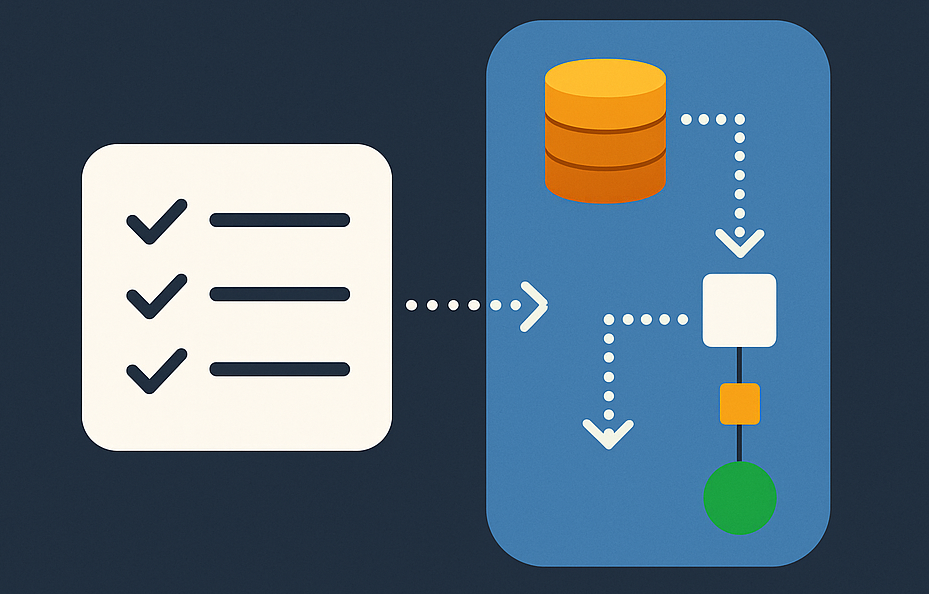
Microsoft recently introduced Translytical Task Flows in Power BI, a powerful new feature that brings action directly into the analytics experience. This update allows users to automate end-user actions, such as updating records or triggering workflows, directly within their Power BI reports. It marks a significant evolution of Power BI from being just a tool Read more
-
Fabric Deployment Pipelines Guide: Dynamic Warehouse Connections in Microsoft Fabric Pipelines
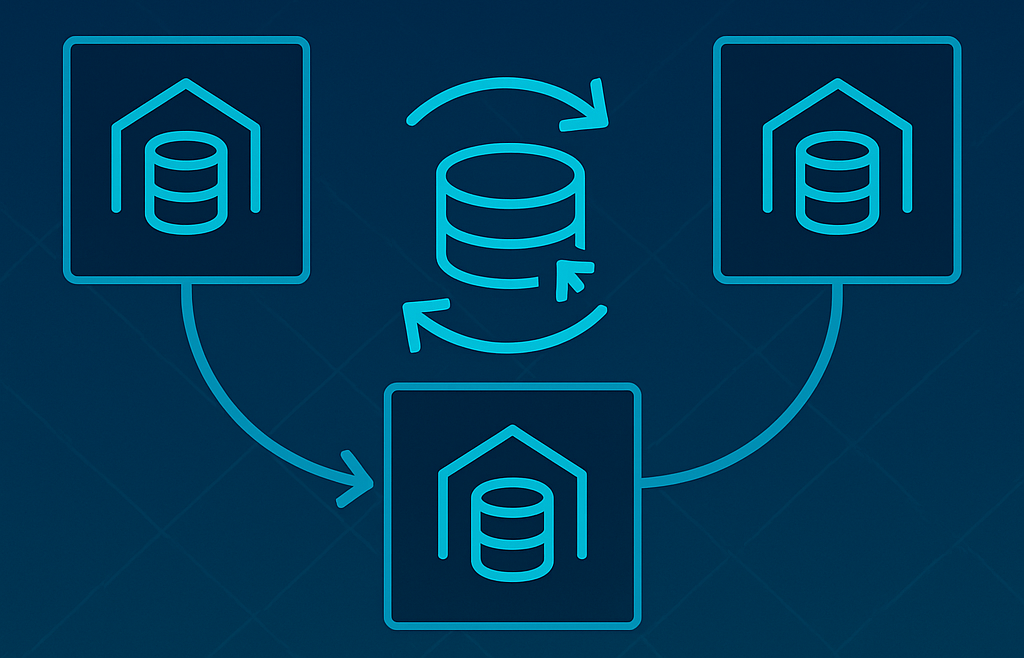
Fabric Deployment Pipelines offer a powerful way for organizations to adopt agile, DevOps-driven development through CI/CD practices. They help streamline the process of moving content between development, test, and production environments, reducing manual effort and increasing reliability. However, as with many enterprise tools, there are some nuanced challenges. One challenge I encountered involved promoting Fabric Read more
-
Let the Data Speak: Narrative Visuals with Copilot for Power BI

A common saying in the data analytics world is to tell a story with the data. But what if the data could tell its own story? The Narrative visual in Power BI makes that possible by generating dynamic, data-driven summaries. And now, with Copilot for Power BI available across all Microsoft Fabric SKUs, creating those Read more
-
Copilot for Power BI: Best Practices for AI-Ready Semantic Models
Microsoft recently announced at FabCon that Copilot will soon be available across all SKUs, a major step toward making AI-powered analytics accessible to everyone. With this exciting shift, a critical question now sits in front of every data team: Is your semantic model ready for Copilot? While the idea of simply “asking your data questions” Read more
-
OneLake Security Announced at FabCon: Here’s Why It Changes Everything

When it comes to building scalable, secure data solutions, Microsoft Fabric continues to evolve in ways that make life easier for developers and administrators alike. One of the latest announcements—unveiled at the Microsoft Fabric Community Conference—has me particularly excited: the upcoming release of OneLake Security. If you’ve been hands-on with Power BI or Fabric’s analytical Read more
-
Microsoft Fabric SQL Database vs. Warehouse: How to Choose the Right Data Store
A few months ago, Microsoft introduced SQL databases in Fabric to complement the existing Fabric Warehouse offering. At first glance, having two SQL-based options might seem redundant. However, these services target different use cases. A Fabric Warehouse is purpose-built for large-scale analytics, while a Fabric SQL Database is optimized for a mix of transactional and Read more
-
Mastering Power BI Deployment: How to Set Up and Use Microsoft Fabric Deployment Pipelines

When working with Power BI reports, ensuring smooth deployment without disruptions is crucial. Have you ever made changes to a report, only for it to break in production, leading to a flood of messages asking, “Why isn’t my report working?” Fortunately, Microsoft Fabric Deployment Pipelines provide a structured approach to testing and deploying updates before Read more